pet insurance saskatoon decisions that actually protect your budget
I want coverage that keeps my savings intact when life suddenly goes sideways. The real benefit is simple: more treatment options, less second-guessing at the front desk, and a clearer ceiling on what an emergency could cost.
Why it pays to think ahead
Surprises aren't rare. They're routine. A torn cruciate, pancreatitis after a garbage raid, a late-night blockage. With a policy that matches your expectations, you trade chaos for predictability - and you keep your vet choices open across Saskatoon.
Policy types worth comparing
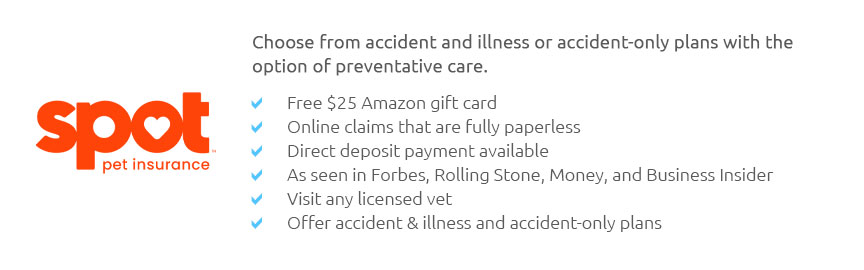
- Accident-only: Cheapest, narrowest. Good for trauma; not for illness.
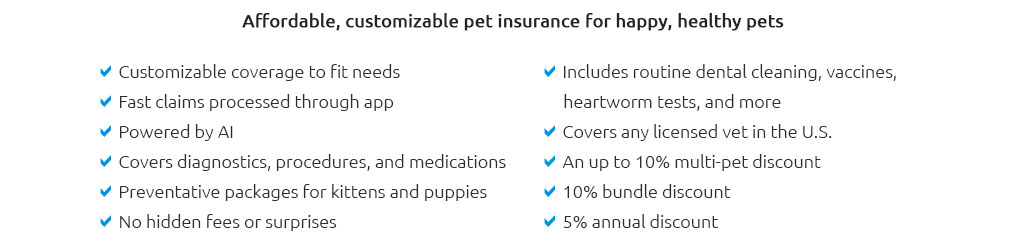
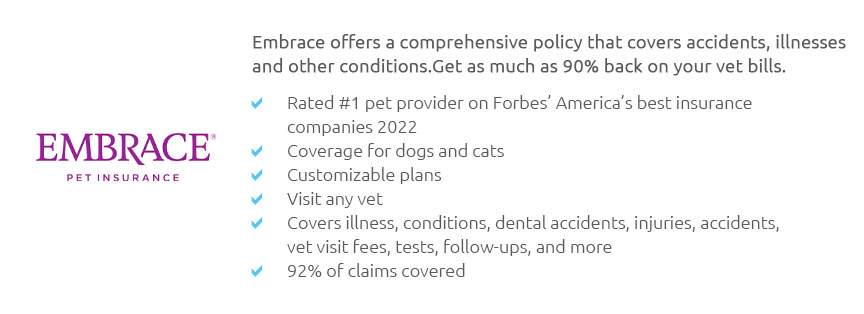
- Accident + illness: The core of real protection. Covers diagnostics, meds, surgery, chronic conditions - policy permitting.
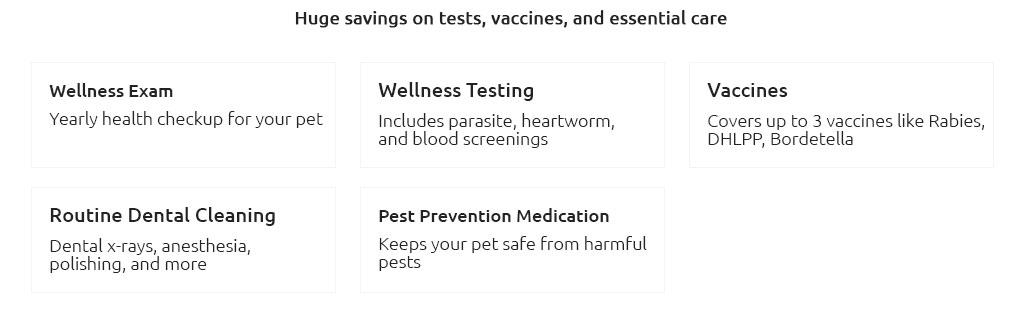
- Wellness add-ons: Routine care credits. Budget smoothing, yes; insurance, not really.
Terms that decide what you actually pay
- Deductible: Annual or per-incident. Annual usually feels simpler.
- Reimbursement rate: 70 - 90% is common; lower premiums trade for higher out-of-pocket.
- Annual limit vs. per-condition cap: Prefer an annual cap without condition sub-limits.
- Waiting periods: Illness and cruciate waiting times can be longer - start early.
- Exclusions: Pre-existing conditions aren't covered; read the fine print on dental, hereditary, and behavioral care.
- Bilateral clauses: One knee today can exclude the other tomorrow if you're not careful.
What I expect from a fair policy
- Clear coverage map: No hidden sub-limits masquerading as "comprehensive."
- Stable premiums: Reasonable increases with age, not leaps.
- Fast claims: Digital submission, transparent timelines, no runaround.
- Chronic condition support: Diabetes, allergies, arthritis - covered year after year.
- Dental accidents included; dental illness ideally optional but available.
I said "unlimited" coverage is best. Small backtrack: it's best only if the insurer doesn't quietly cap payouts with "usual and customary" fee schedules. Ask for those limits in writing.
How claims usually work in Saskatoon
Most clinics expect payment up front; insurers reimburse you. Some front desks will submit forms on your behalf, others hand you the paperwork - ask before you're stressed. Keep itemized invoices and vet notes ready; they speed approvals.
Real world: on a windy March Sunday, my terrier swallowed a peach pit and we ended up at the Veterinary Medical Centre at the University of Saskatchewan. I paid, filed the claim online, and saw 80% back within days. The relief wasn't theoretical.
Shortlist factors specific to selection
- Simplicity over sizzle: Fewer riders, fewer surprises.
- Annual deductible with a high reimbursement rate if you want predictability.
- Orthopedic exam requirements for knee coverage - check them early.
- Direct deposit claims and a real support line you can reach on weekends.
- Behavioral and alternative therapies only if you'll use them.
What to review before you click "buy"
- List your non-negotiables: chronic coverage, annual limit, reimbursement.
- Pull three quotes for your pet's age and breed; keep deductibles comparable.
- Read exclusions and waiting periods - especially knees, hips, and dental.
- Confirm claim steps with your preferred clinic; ask who fills which part.
- Scan sample policies for sub-limits and fee schedules.
- Re-run the math: one emergency vs. a year of premiums and deductible.
Expectations set, choices get easier
Pick the policy that matches how much uncertainty you can tolerate. If you want fewer financial shocks, choose robust accident + illness, an annual deductible, and transparent limits. Then let your vet focus on care while you keep your budget intact.